

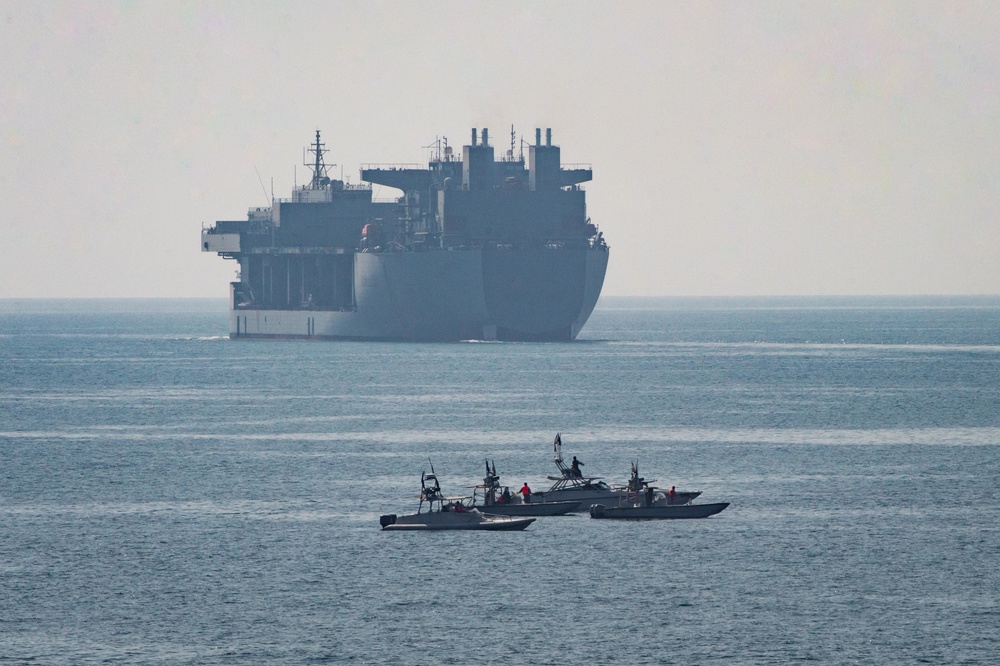
Global energy supply chains are bracing for unprecedented shockwaves after a commercial vessel was struck by an unknown projectile early Tuesday morning while navigating the narrow waters of the Strait of Hormuz.
The strike, confirmed by the United Kingdom Maritime Trade Operations (UKMTO), inflicted catastrophic damage upon the vessel's propulsion systems and claimed the life of at least one crew member. The targeted ship, which was conducting an outbound passage toward open waters, was forced to halt operations as the Omani Coast Guard dispatched emergency response vessels to secure the area and assist remaining mariners.
The Collapse of the Interim Transit Accord
Today's strike represents the formal breakdown of a fragile diplomatic corridor negotiated earlier this summer. Under the preliminary June framework, maritime authorities intended to establish a structured pathway allowing commercial transit to resume. The United States had conditionally agreed to scale back naval blockade enforcement, while Tehran pledged best-effort assurances to ensure secure merchant passages.
However, tensions resurfaced rapidly over the past 72 hours. In the days preceding Tuesday's attack, state-backed logistics operators in the United Arab Emirates reported aggressive surveillance and localized skirmishes against regional transport fleets. Tehran’s top negotiating council maintained that maritime corridors will remain strictly restricted until full sanctions relief and wartime compensation terms are implemented.
Strategic Stakes at the World’s Primary Chokepoint
The Strait of Hormuz is universally recognized as the most strategically sensitive maritime bottleneck in the global energy infrastructure. Measuring approximately 21 miles wide at its narrowest boundary—with designated navigational channels only two miles wide in each direction—the strait historically accounts for over 20% of worldwide petroleum and liquefied natural gas (LNG) commerce.
| Date | Incident / Milestone | Direct Market & Security Impact |
|---|---|---|
| August 14, 2026 | ADNOC Fleet Interception | Regional condemnation of hostile actions targeting merchant logistics. |
| August 16, 2026 | Diplomatic Impasse | Demands issued requiring unconditional lifting of international maritime restrictions. |
| August 18, 2026 | Vessel Projectile Strike | Engine room compromised; crew casualty verified; UKMTO raises security tier. |
Energy Markets & Freight Rates Surge
Financial and commodities markets registered immediate volatility in the wake of the strike. Brent crude rallied aggressively past $89.40 per barrel during afternoon European trading hours, with energy analysts warning that prolonged disruption could drive benchmarks toward triple digits.
Beyond commodity prices, commercial maritime operators are facing astronomical increases in hull and machinery war-risk premiums. Insurance underwriters have red-listed northern Gulf transit zones, prompting several top container and tanker conglomerates to consider rerouting voyages around the Cape of Good Hope—a detour adding up to 14 days in transit time and substantial carbon surcharges.
As international diplomatic channels race to prevent broader confrontation, the standoff in the Strait of Hormuz underscores the extreme fragility of modern maritime logistics. For global industry, the cost of navigating contested waters continues to climb.